Weeknote 14
Deep Work and Public Accountability · Building with AI · Vision Boarding and Dance Improv · Felt Thank-You Card · Coca, Comedy, and Being Iconic
Table of contents
I publicly shared my deep work hours
I logged 17 hours and 48 minutes of deep work this week. Tracking that time on this public leaderboard reminded me how well public accountability works.
Public accountability is a key motivator
In 2019, I completed a bunch of challenges and shared my progress on social media: #365DaysOfCode (days 1–100, 100–200, 200–365), #100DaysOfDiscomfort, #100DaysOfMath, #100DaysOfMeditation, #100DaysOfWorkingOut. I probably would not have completed these without public pressure.
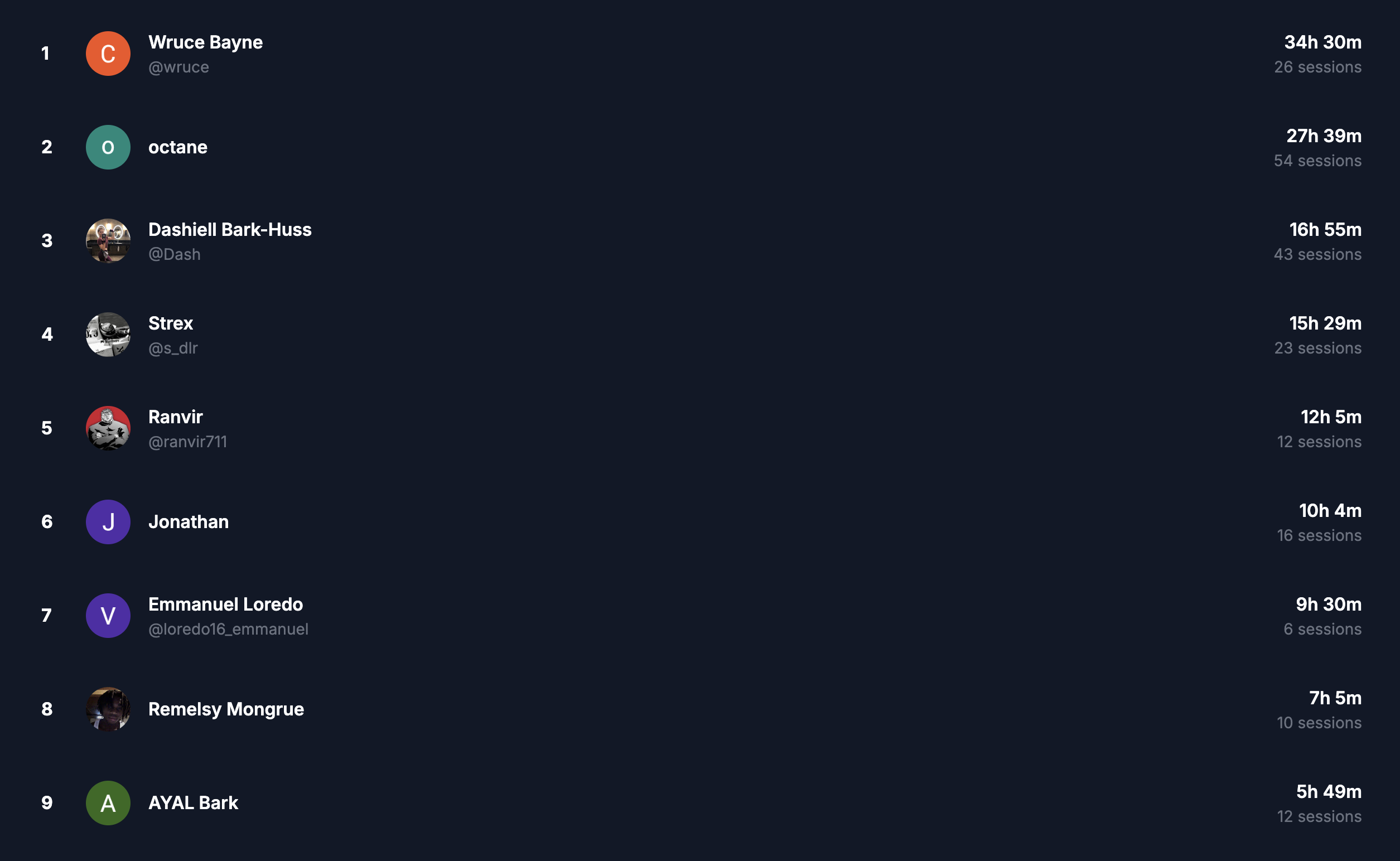
Public accountability helps push me to work harder than I otherwise would. The benefit of that is twofold. Not only do I accomplish more, but I also feel satisfied after I do something hard. It increases my happiness, even though it’s painful while it’s happening.
There’s a point where this burns me out, but I haven’t reached that point recently.
Why building with AI requires deep work
Besides the public accountability, I felt like I needed deep work time this week. For my purposes, deep work means working for a chunk of time on a singular project—one that requires some level of brain power: studying, writing, planning, or building.
I love AI and have been an early user. But my faith in AI ebbs and flows even though I find it fascinating and useful.
For a few months this year, I let AI take the reins when co-creating software with it. But I recently changed my view on AI’s abilities. I’m taking a more hands-on, human approach again. I’m now trying to understand every decision my AI suggests, at least at a medium to high level. This requires focus.
A human advantage over AI: synthesizing complexity
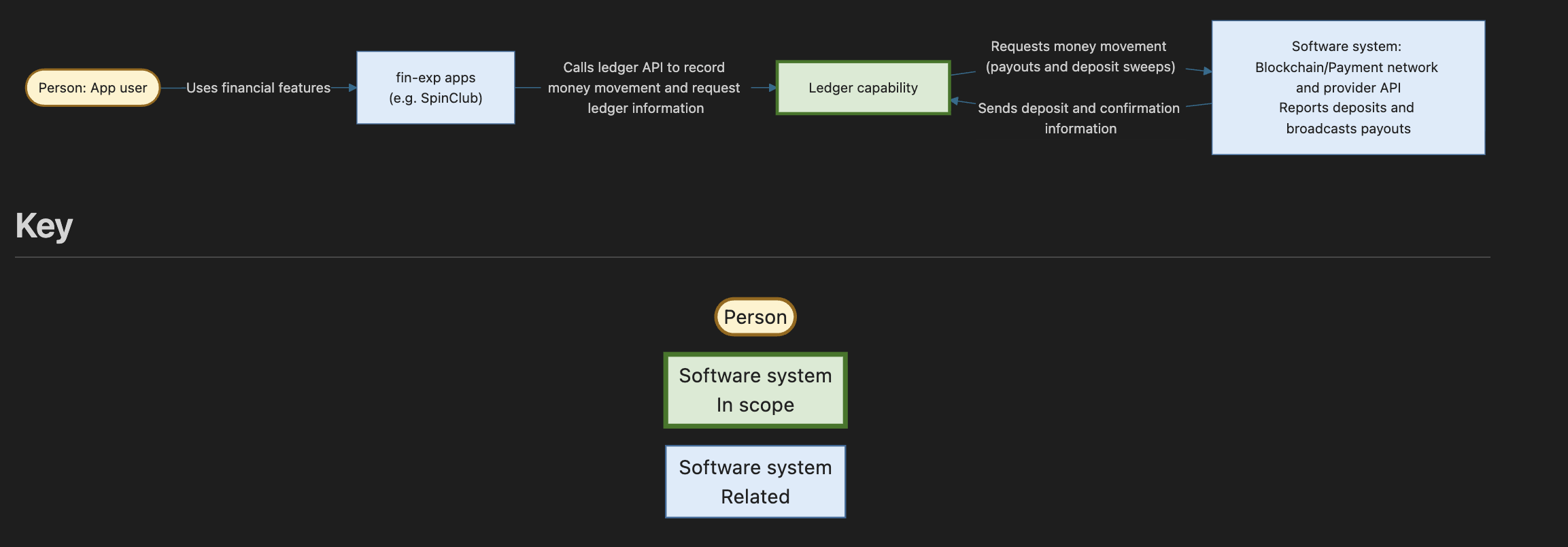
This week I wrote documentation, mainly visual flow diagrams, that explain the system at a high level. I believe humans beat AI when it comes to simplifying complexities. But working together, my AI and I are a good team.
Winning in the AI era: Know what humans do better than AI
I believe people will succeed in the AI era by learning what AI does better than humans, what humans do better than AI, and how to use those differences. If you’re so convinced that AI will destroy us, you probably can’t see that AI is clearly retarded** sometimes. Our brains have powers AI can never dream of having, if it could even dream.
**Is it politically correct to use “retarded” to describe a machine?
Vision board and dance improv night
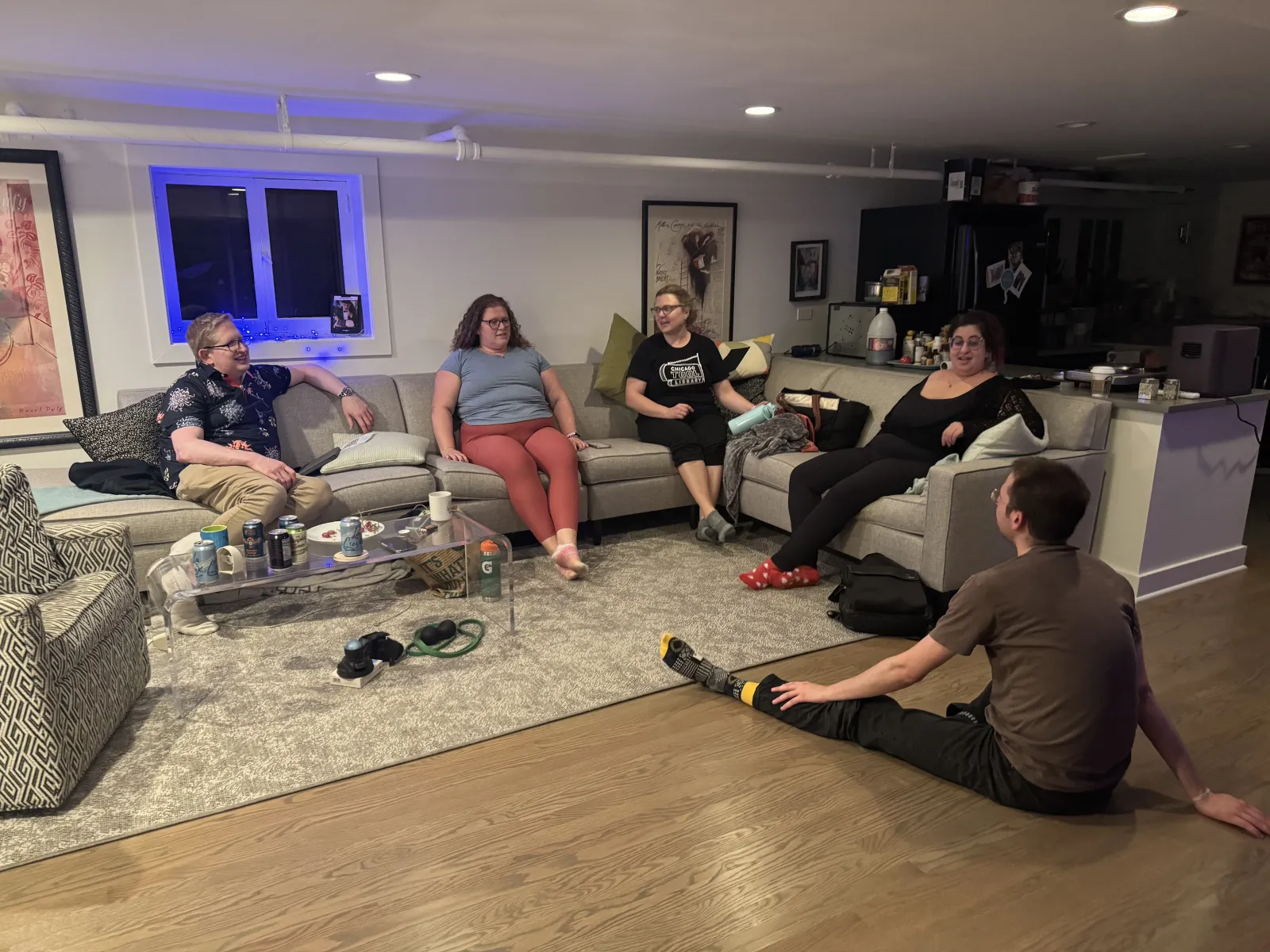
After several Partifuls with like 2 attendees, I finally got people to come to my event. Friends came over for vision boarding, goal sharing, and dance improv night.
Getting people to attend my events
People kept not coming to my events. My cousins suggested that I message people who RSVP’d to confirm that they were coming. I did that, and this time people actually came!
This idea of pushing people to do things they don’t seem to want to do has recurred in my life lately. I saw it at Psychedelic Synagogue’s Yom Kippur event and in Daniel Morris’s action: his approach to leading people and our first improv dance night.
This seems to be a major question in my life. Do I push people to do something they are resistant to but may end up liking? Or do I support people in their choices even when I think they are choosing the path of least resistance? Do people want me to push them? Or do they want me to stop annoying them?
I once made a $100 million business out of one of these philosophies. And the other has brought me a lot of unique experiences.
Product I liked: received a Felt thank-you card
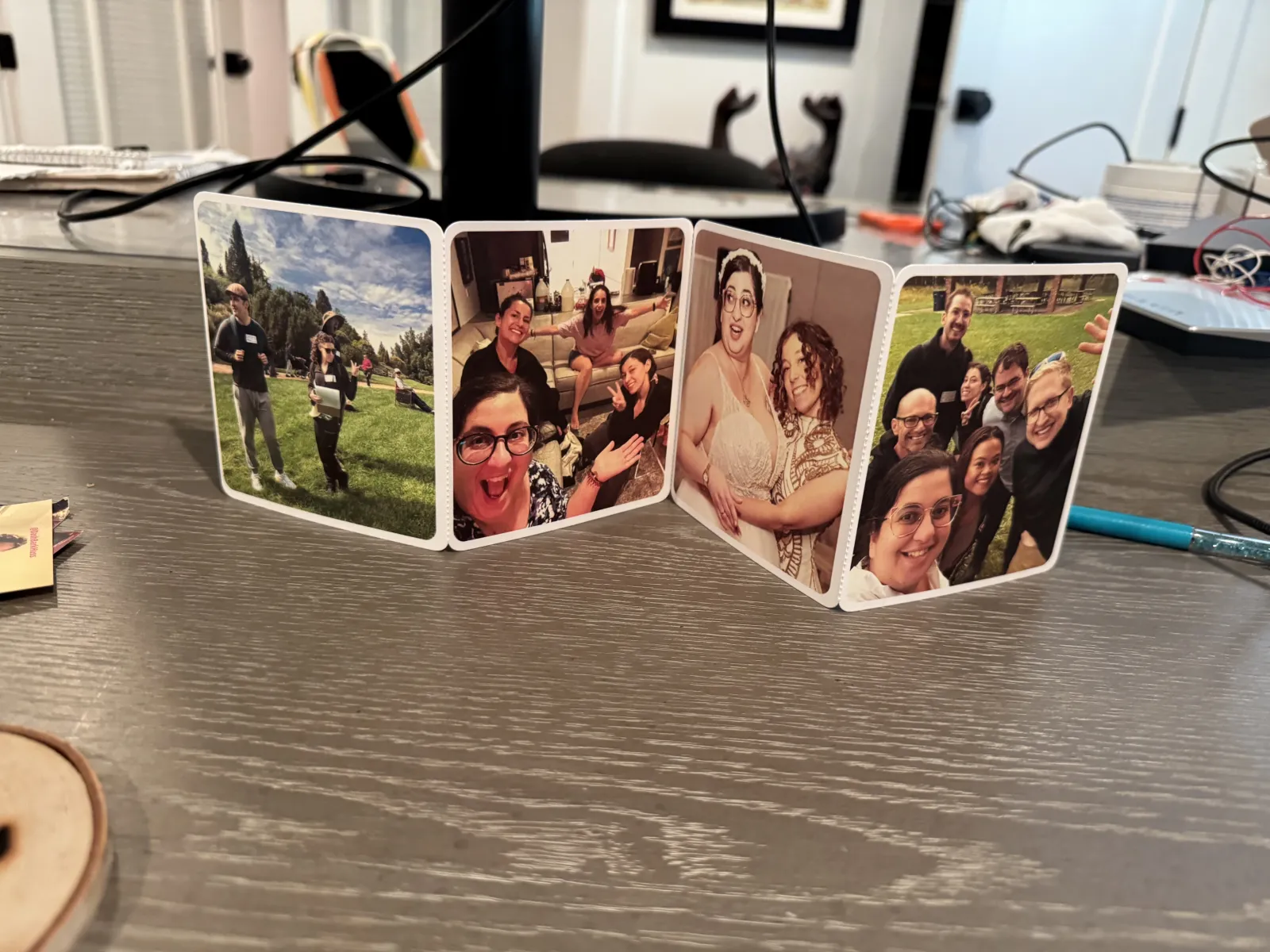
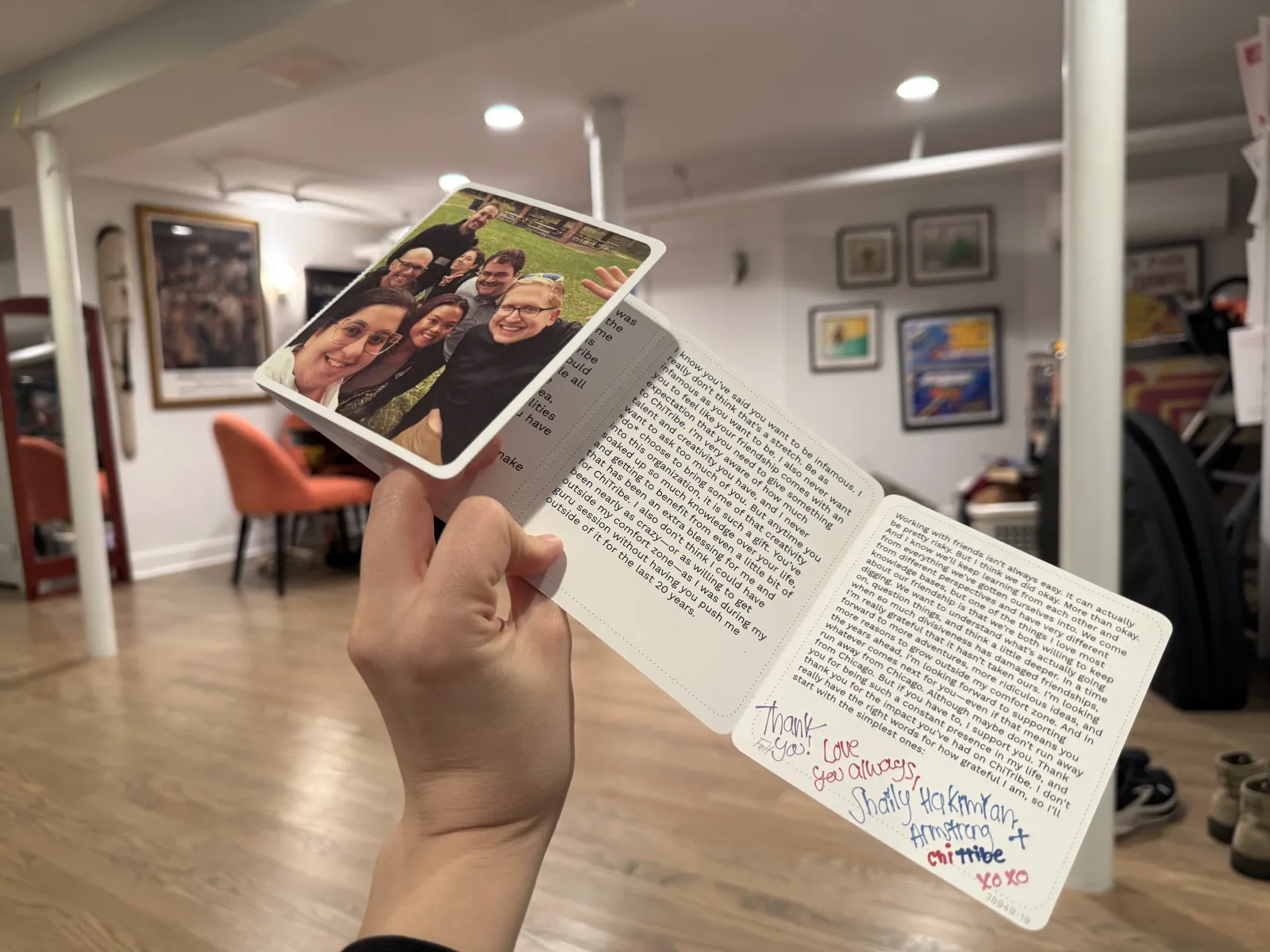
Shaily Hakimian sent me a Felt thank-you card. This is a cute product. The sender designs the card online, and the receiver gets a physical snail mail card.
The paneled design makes it possible to stand up on my desk.
Content I liked
The overlooked miracle plant, coca
This podcast had me contacting my drug dealer ASAP.
I’ve written 24 books, Tim. And I’ve made 50 films and people, “Oh, he’s so productive.” And I just smile like the Cheshire Cat. Of course I am. And Andy knows exactly how and why.
— Wade Davis
And I am 84 and I feel pretty good… Yeah, people always comment on how good I look and so forth. And I have to say coca has contributed to that.
— Andrew Weil
In coca, there are 14 alkaloids. Cocaine is one of them. They all have similar chemical structures, and none of them have ever been studied. Once we isolated cocaine from the leaf, everybody lost interest in everything else.
— Andrew Weil
Be iconic
This Instagram reel reminded me not to fear what others think.
“Make the iconic choice… The one that you would write in your fucking memoir… What would be the iconic story? It’s not the safe one.”
— from Instagram reel
Professor sketch
I loved this little sketch. Watch and enjoy.